No products in the cart.

Kenyan Start-Up Breathing New Life Into Glass Waste
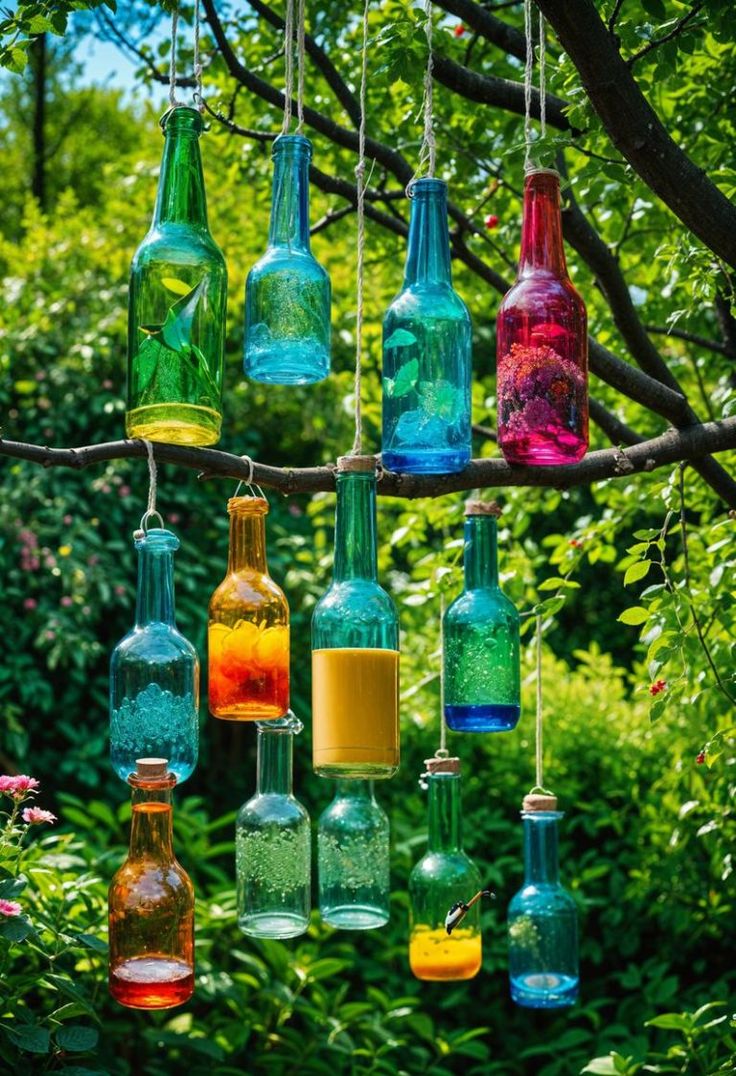
In the heart of Kenya’s capital, where urban waste is becoming an ever-growing challenge, a quiet revolution is taking place, one glass bottle at a time.
MokoMaya, a local glass recycling and upcycling enterprise, is turning discarded bottles into elegant, hand-crafted drinkware and décor. What started as a bold idea during the uncertainty of the COVID-19 pandemic has evolved into one of the country’s most inspiring examples of creativity meeting sustainability.
At the helm is Nyandia Kamawe, a visual artist who stepped away from a stable branding job to pursue a passion for hands-on environmental impact. “I didn’t want to go back to a desk,” she shares. “I wanted to do something with real meaning, with real waste, and with real impact.”
The name MokoMaya, Kikuyu for “these hands”—perfectly captures the company’s philosophy: every item is shaped, sanded, and polished by Kenyan hands. The organization collects used bottles from city restaurants, bars, and vendors, and repurposes them into sleek, functional art pieces. From water tumblers to flower vases, each piece is distinctive, often retaining subtle clues to its past life: a curved bottle neck, a splash of amber tint, a trace of the original label.
“Our pieces carry stories,” says Kamawe. “You can tell they were something else before, but that’s what makes them beautiful.”
With prices ranging from KSh 2,000 to KSh 3,000, the creations are quickly gaining popularity among environmentally conscious individuals, businesses, and design lovers looking to add a sustainable touch to their homes and spaces.
But isn’t just about products. It’s about changing the way people see waste—and themselves.
The workshop employs about ten artisans, with plans to expand and create training opportunities for women and young people. Kamawe envisions a future where glass upcycling becomes a valued skill, especially in communities where economic opportunity and environmental solutions are both desperately needed.
However, the journey hasn't been without obstacles. Reliable glass collection, limited access to recycling infrastructure, and public perception around upcycled goods have been ongoing challenges. Yet, the team remains undeterred.
“Every day we turn waste into something people cherish. That alone keeps us going,” says the founder.
The association is also pushing for a wider cultural shift, from convenience to consciousness. In a country where single-use materials often end up in rivers or dumpsites, small but committed ventures like this one are showing that sustainable alternatives don’t have to be imported or expensive, they can be proudly made in Kenya.
And perhaps, in the quiet hum of glass being ground and polished, there lies a louder message, one that speaks of resilience, reinvention, and the beauty of second chances. Not just for glass, but for the world we live in.
Authored by
— By Peace Mutegi