No products in the cart.

Deadly Protests Shake Kenya as Citizens Demand Justice and Reform
Nairobi, Kenya | July 8, 2025
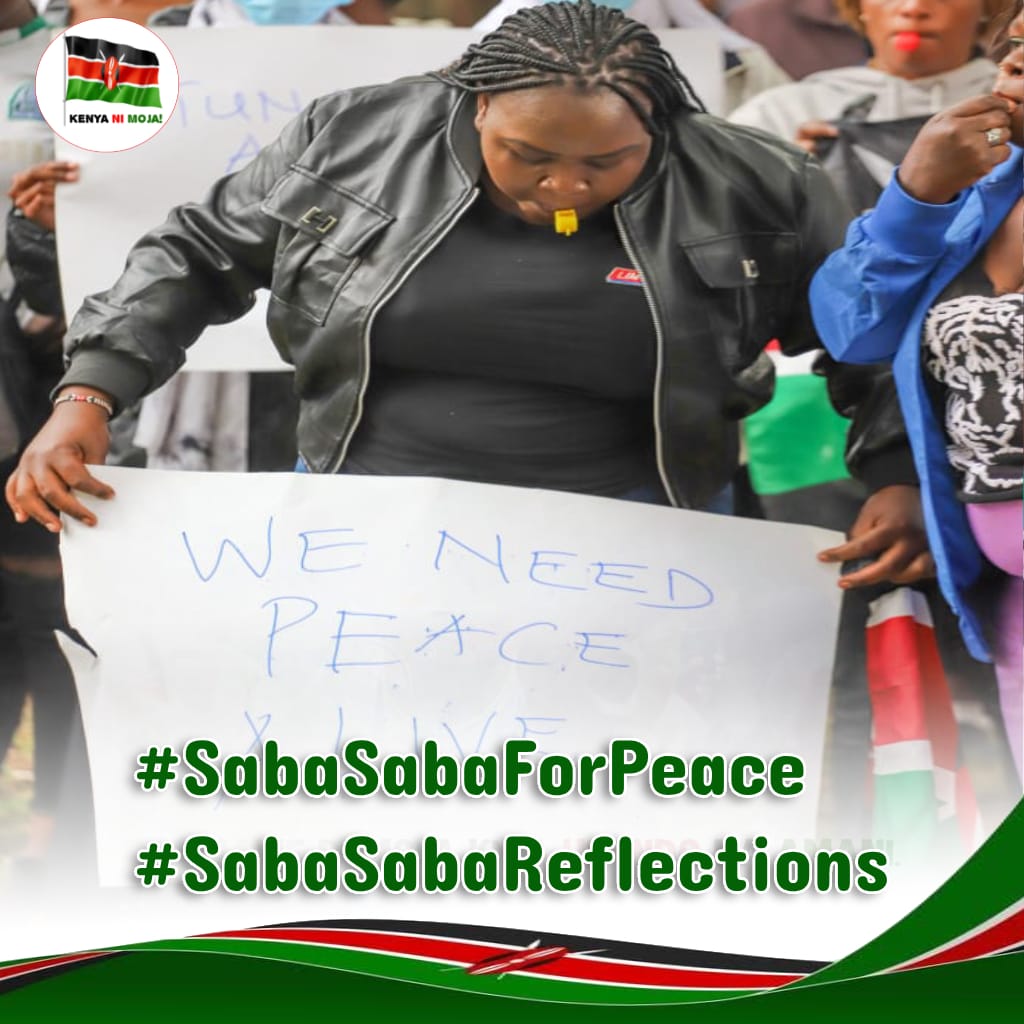
Kenya witnessed one of its most violent days in recent memory on Monday, as thousands took to the streets on July 7th—widely known as Saba Saba Day—to protest against police brutality, government corruption, and economic hardship. What began as a peaceful mobilization turned chaotic, leaving dozens dead, scores injured, and hundreds arrested across multiple counties.
From Nairobi to Nyandarua, Mombasa to Eldoret, protesters marched under the banner of justice and reform, demanding accountability from the administration of President William Ruto. The demonstrations, largely youth-led and organized through digital platforms, quickly gained momentum despite police warnings and heavy deployments.
Early Monday, security agencies set up roadblocks around Nairobi’s central business district in an attempt to deter crowds from assembling. Despite the restrictions, waves of protesters breached security lines, prompting the police to respond with tear gas, water cannons, and in some areas, live ammunition.
Human rights observers reported dozens of injuries and a death toll that continued to rise throughout the evening. In several counties, hospitals reported being overwhelmed by the influx of wounded, while property destruction was recorded in parts of Kitengela and Embu.
Unlike past protests spearheaded by political opposition, this year’s Saba Saba was primarily driven by Gen Z activists and online influencers. Through social media hashtags and encrypted messaging, demonstrators coordinated flash protests and crowd movements across the country.
The choice of July 7 was and is still deeply symbolic. The date marks the 1990 pro-democracy protests that forced Kenya’s shift from single-party rule. During this year's saba saba protest, demonstrators invoked the spirit of Matiba, Rubia, and other historical reformists—while insisting that the new struggle is no longer about political multiparty systems, but economic justice, police accountability, and youth empowerment.
However the government, while acknowledging the protests, condemned the violence and defended the police’s actions as necessary to maintain order. Interior Cabinet Secretary Kipchumba Murkomen stated that law enforcement had “acted within the law to protect lives and property.”
Rights groups such as the Kenya National Commission on Human Rights (KNCHR) and Amnesty International Kenya called for urgent investigations into allegations of excessive force.
As Kenya wakes up to the aftermath, the question remains: What comes next? Protest organizers have vowed to continue demonstrations until their demands are addressed, including the resignation of key security officials and justice for victims of police killings.
In conclusion political analysts warn that if the government fails to initiate dialogue, Kenya could be on the verge of a prolonged civil movement.
Authored by,
Yassin Ali